



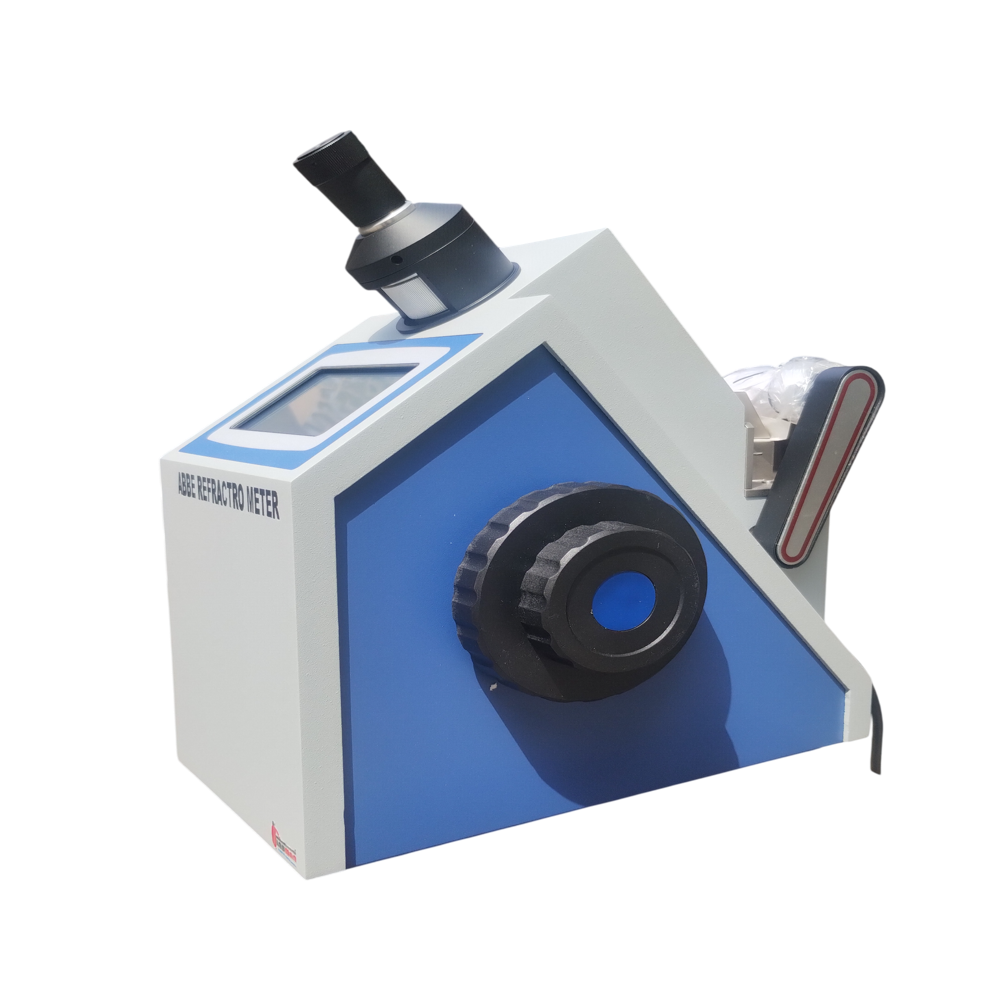
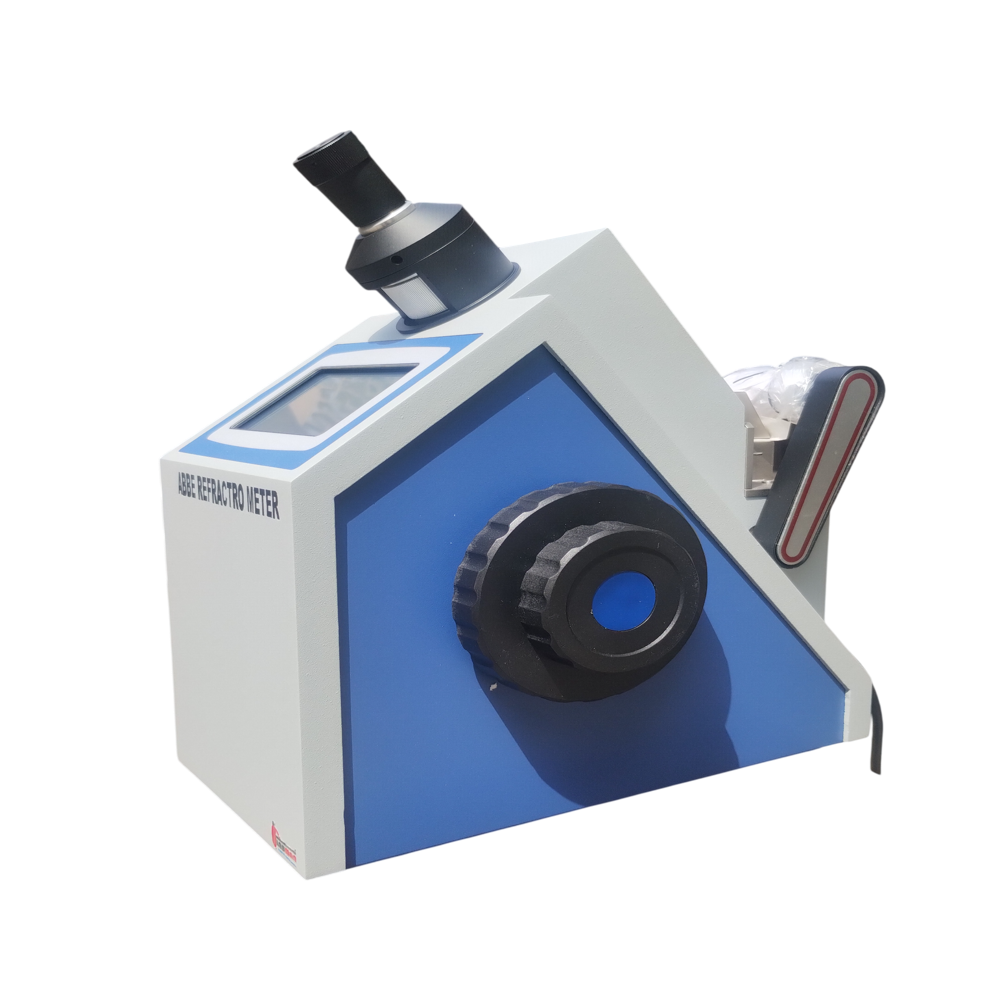
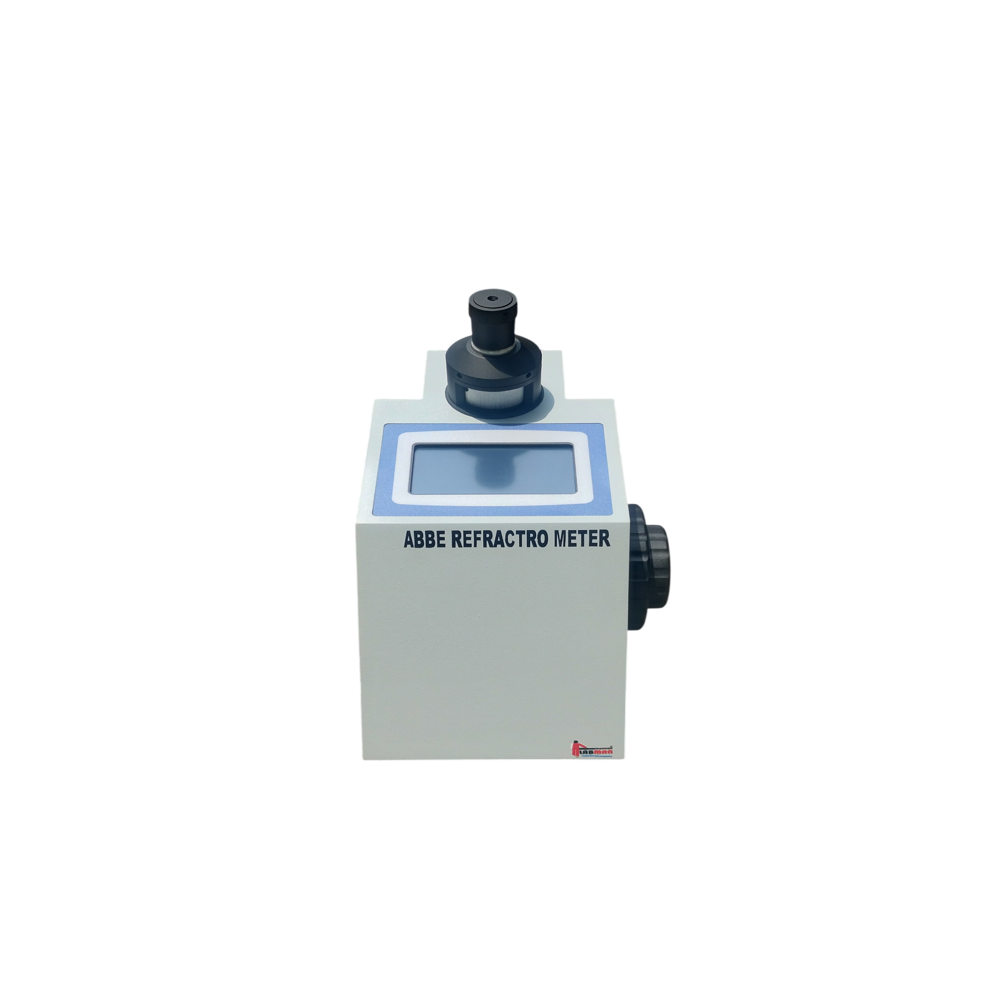
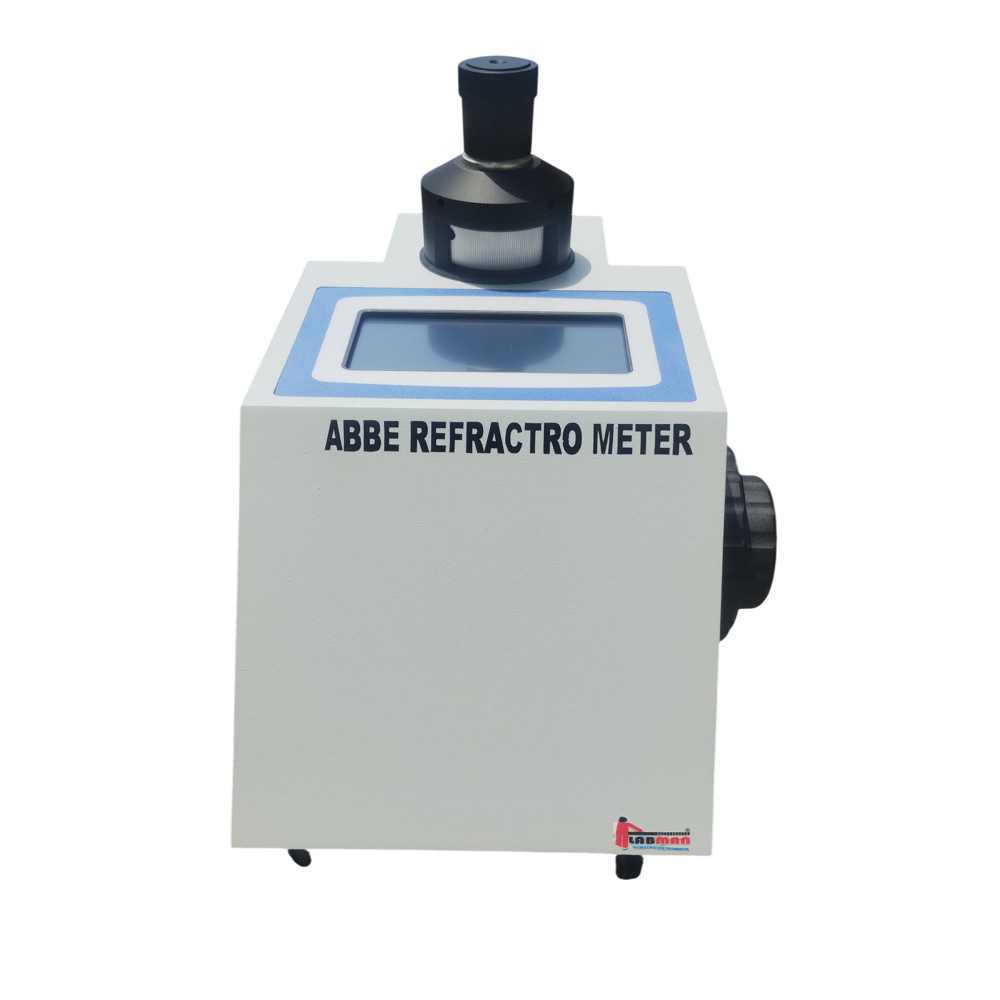
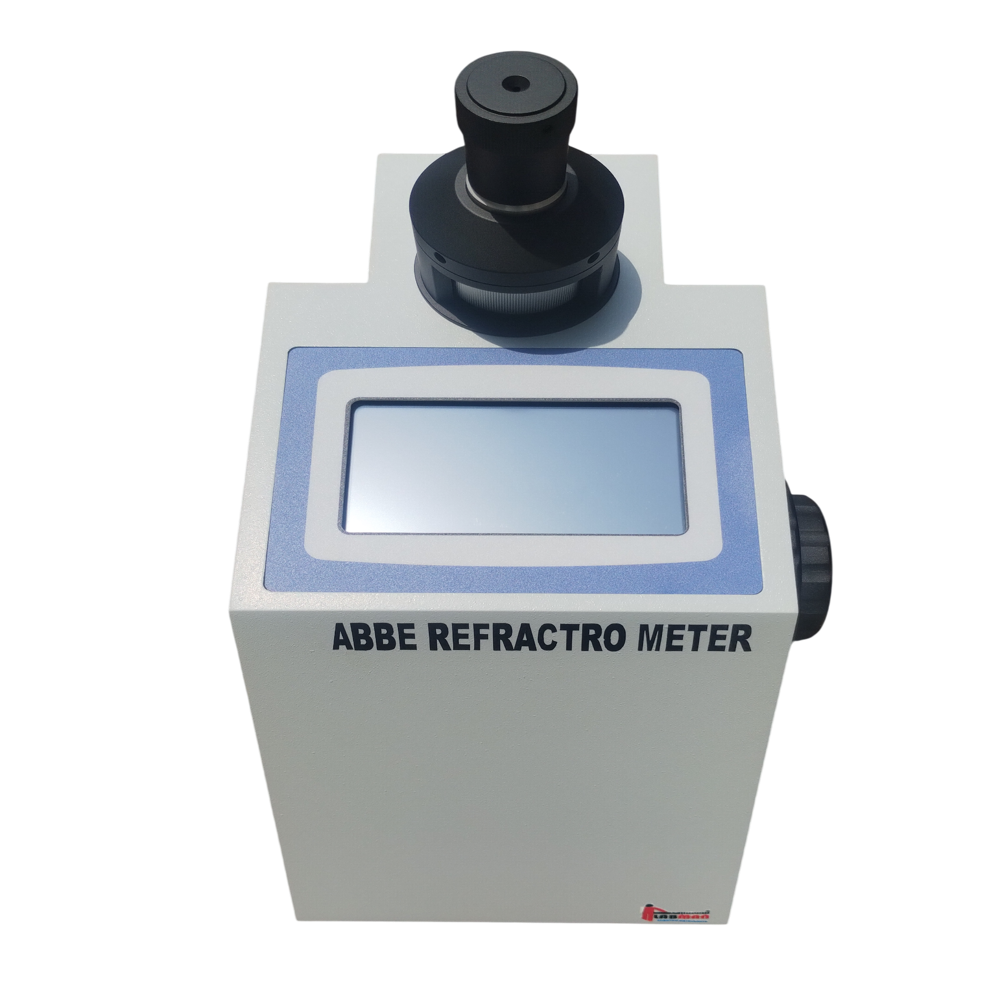
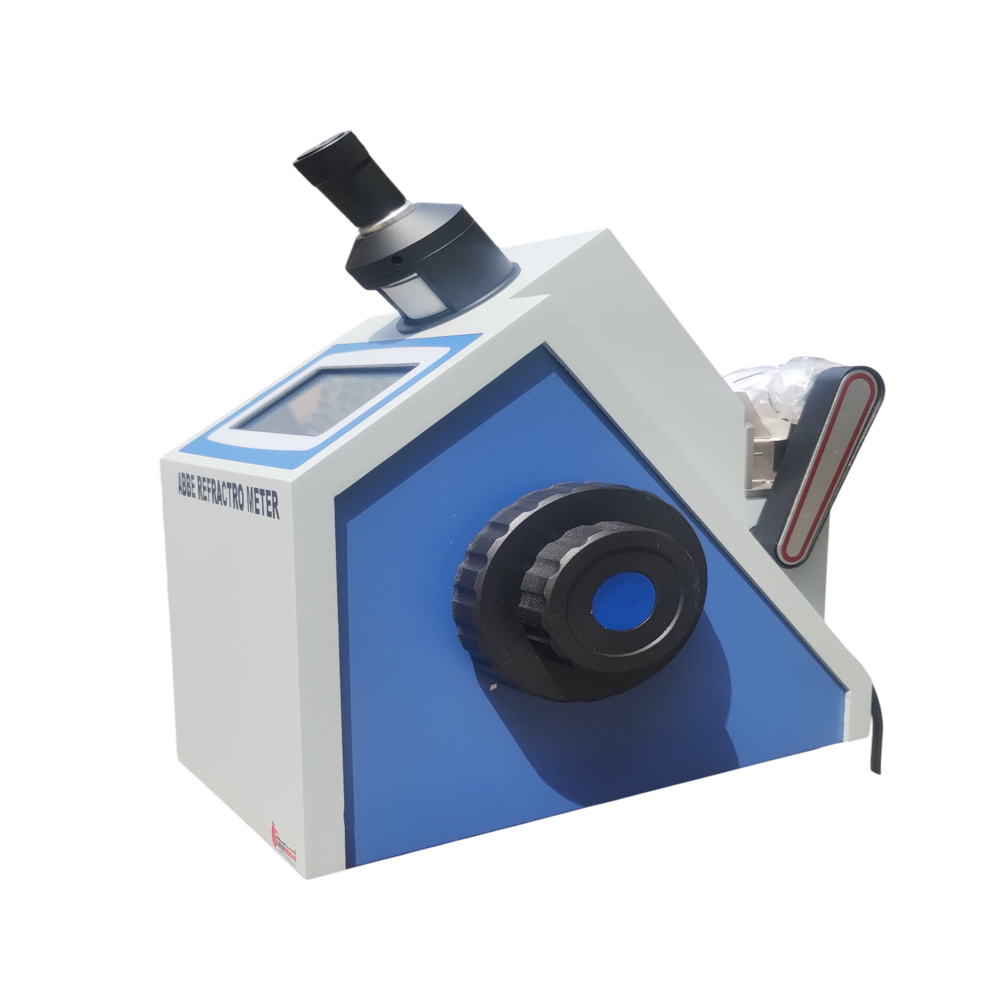
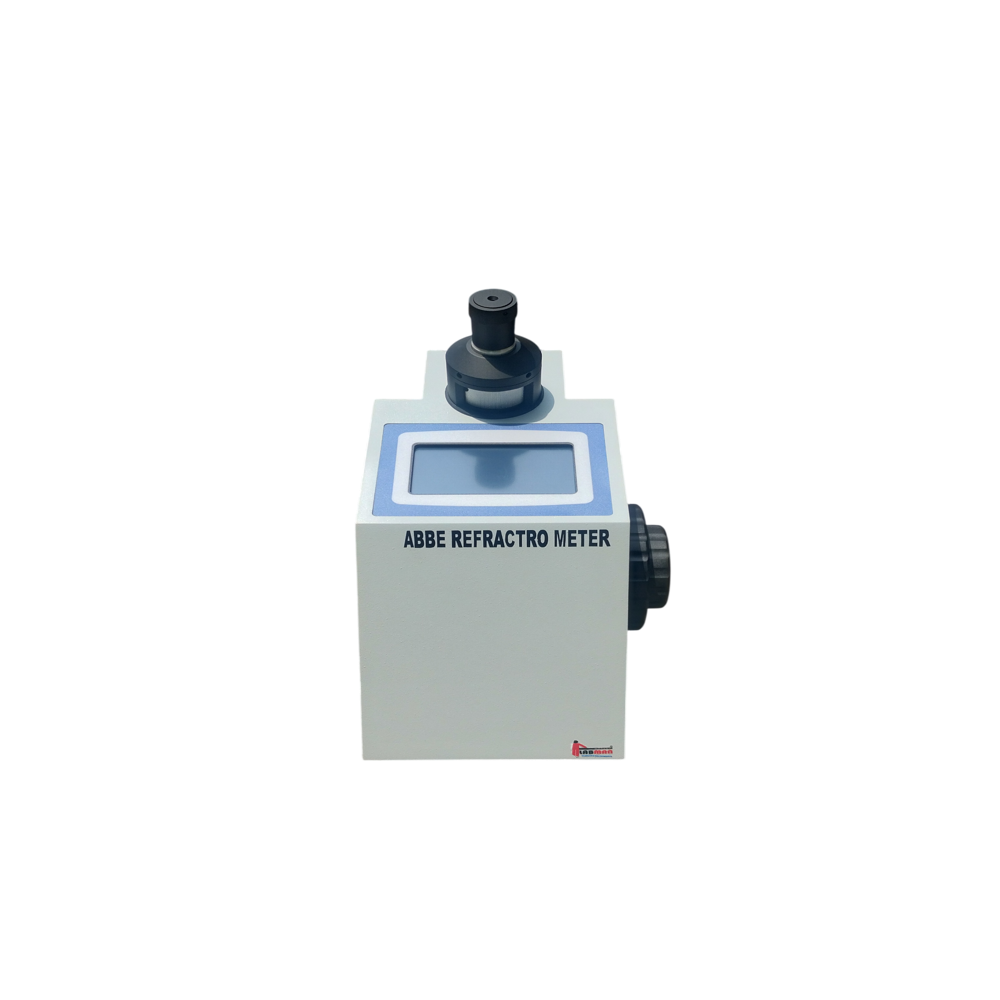
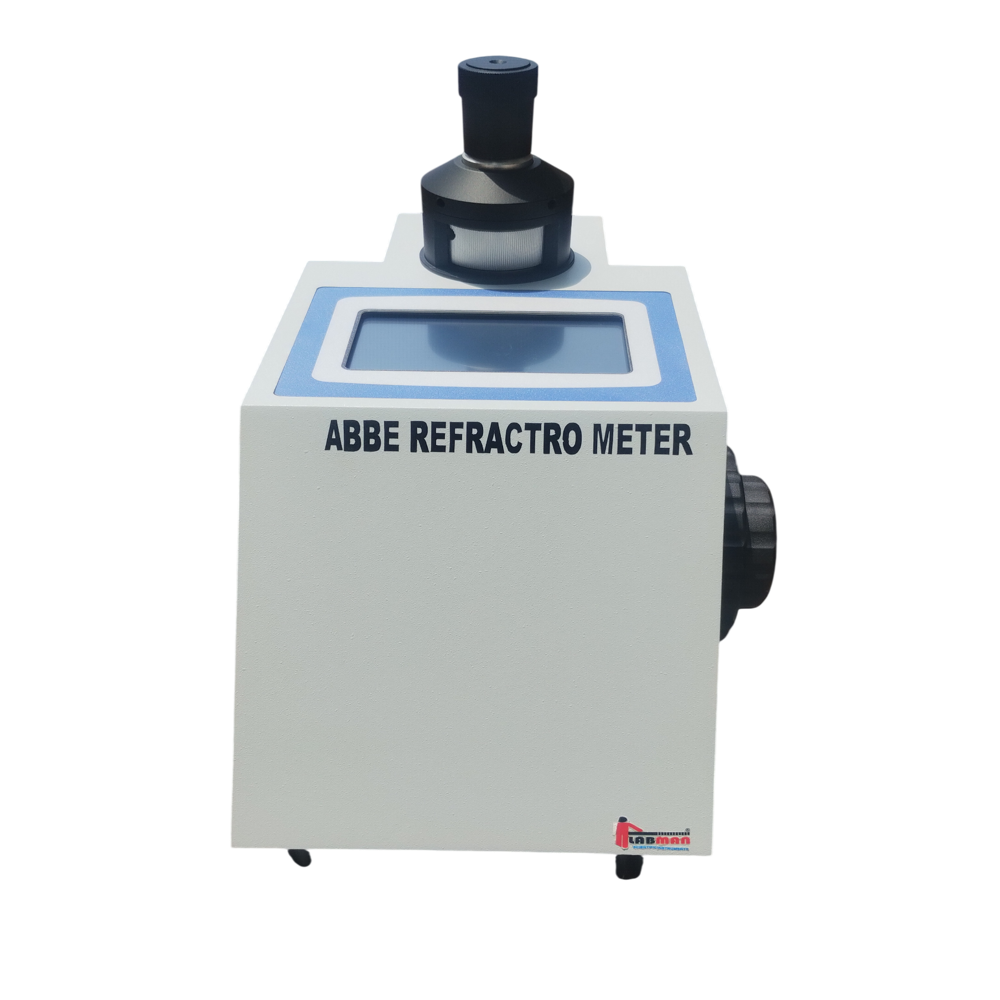
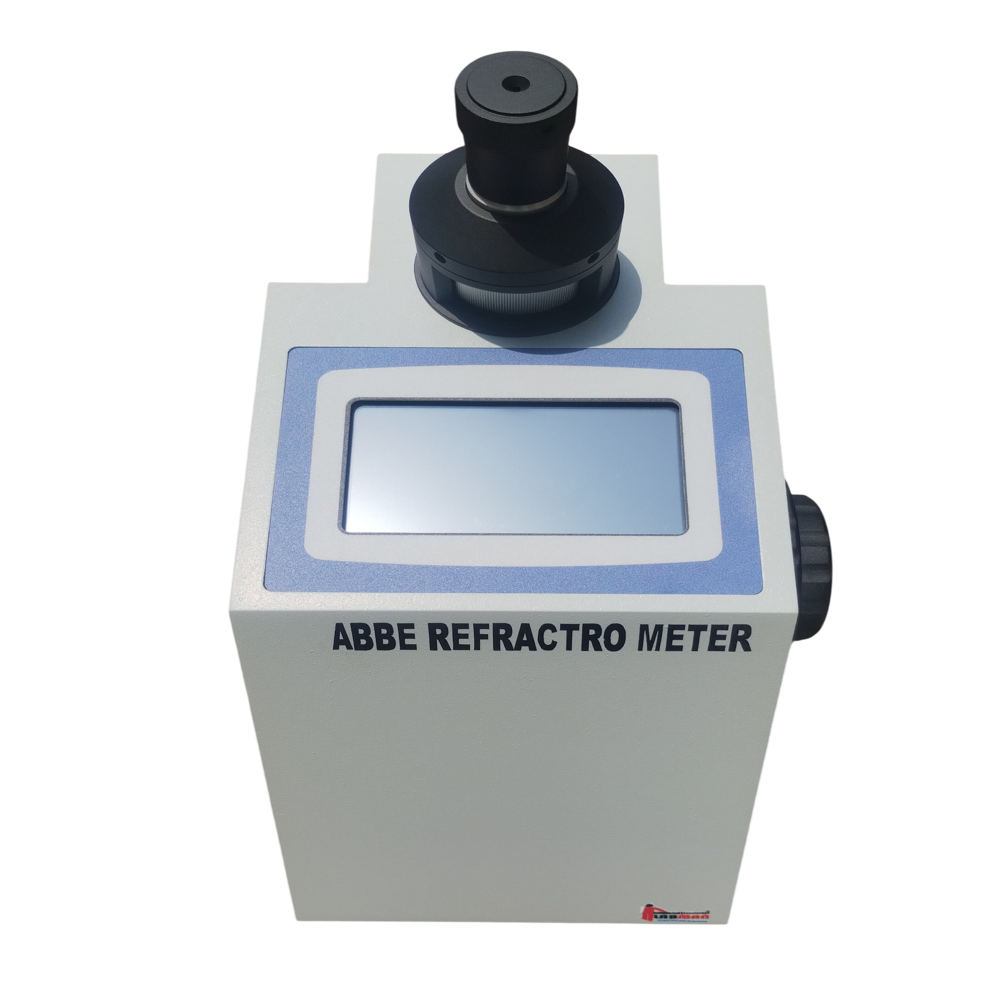
Digital Abbe Refractometer/ Digital Refractometer/ Abbe Refractometer
145000.0 INR/Unit
Product Details:
- Display Type Large digital LCD display
- Accuracy 0.0002 (nD), 0.1% (Brix)
- Control Type Digital keypad with touch controls
- Speed Range Manual adjustment; not applicable
- Heating Capacity Temperature control range: 0C to 50C (with optional thermostat)
- Power Supply AC Mains
- Features Automatic temperature compensation, quick measurement, data storage, easy calibration, user-friendly interface
- Click to View more
X
Digital Abbe Refractometer/ Digital Refractometer/ Abbe Refractometer Price And Quantity
- 1 Unit
- 145000.0 INR/Unit
Digital Abbe Refractometer/ Digital Refractometer/ Abbe Refractometer Product Specifications
- Measurement of refractive index and brix in laboratories, food, chemical, and pharmaceutical industries
- 0C to 70C
- Rectangular base with inclined measuring prism
- AC 220V, 50Hz
- AC Mains
- Automatic temperature compensation, quick measurement, data storage, easy calibration, user-friendly interface
- High-quality optical glass prism
- Stainless steel, precision optical glass, and ABS housing
- 40 W
- Manual adjustment; not applicable
- Temperature control range: 0C to 50C (with optional thermostat)
- 370 mm 240 mm 470 mm
- Digital Abbe Refractometer
- Metal body with glass prism
- Digital Laboratory Equipment
- Digital keypad with touch controls
- 0.0002 (nD), 0.1% (Brix)
- Large digital LCD display
- RS232/USB port
- 0% - 95%
- nD 1.3000 ~ 1.7000
- Automatic and manual calibration options
- Yes, digital export
- 0.0001
- 20% - 80% RH
- Hard glass prism
- 0.1%
- LED 589 nm (sodium D-line)
- Approx. 10 kg
Product Description
|
MODEL |
LMAR1317T |
|
Make |
LABMAN |
|
Measurement Range Refractive index nD Range |
1.30000-1.72000 |
|
Measurement Range Dissolve Solid Brix |
0-100% |
|
Accuracy Dissolved Solids Brix |
0.1% |
|
Measuring Resolution Refractive index nD |
0.00001 |
|
Brix |
0.01% |
|
Temperature Range |
-20C to +120C |
|
Temperature Resolution |
0.1C |
|
Display |
Color Touch Screen |
|
Interface |
RS232C / USB |
|
Data Storage |
500 Sets data sets |
|
Protection Grade |
IP20 |
|
Input Power |
30W |
|
Power Supply |
AC 220V/50Hz |
|
Packing Dimensions (L x W x H) |
365 x 245 x 445mm |
|
Gross Weight |
10kg |

Highly Accurate Digital Measurement
The Digital Abbe Refractometer stands out with its precision, boasting minimum scales of 0.0001 (nD) and 0.1% (Brix). Its accuracy meets demanding analytical requirements in various industries, from research laboratories to food and pharmaceuticals. The advanced optical glass prism and consistent LED sodium lamp ensure robust, consistent results.
User-Friendly Operation and Versatile Data Handling
This refractometer provides a large digital LCD display and touch keypad controls for easy navigation. It features both manual and automatic calibration, catering to diverse user preferences. Measurements are swiftly captured, with automatic temperature compensation and data storage to ensure workflow efficiency. Exports are straightforward via RS232 or USB ports.
FAQ's of Digital Abbe Refractometer/ Digital Refractometer/ Abbe Refractometer:
Q: How does the Digital Abbe Refractometer facilitate precise measurement of refractive index and Brix values?
A: The Digital Abbe Refractometer uses a precision hard glass prism and a stabilized LED (589 nm sodium D-line) light source, allowing accurate readings of refractive index within nD 1.3000 ~ 1.7000 and Brix from 0% to 95%. The device displays results on a large digital LCD and achieves a minimum scale of 0.0001 (nD) and 0.1% (Brix).Q: What calibration options are available, and how are they performed?
A: Users can select either automatic or manual calibration. Automatic calibration uses preset standards, while manual calibration allows adjustments using custom reference solutions, accessible through the digital keypad. This ensures reliable results under varying conditions.Q: When should the refractometer be recalibrated to maintain accuracy?
A: Recalibration should occur regularly, especially after frequent use or exposure to varying temperatures or sample types. It's also recommended after heavy cleaning or servicing to ensure continued precision.Q: Where can the Digital Abbe Refractometer be used?
A: It's suitable for use in laboratories, food and beverage production, chemical analysis, and pharmaceutical quality control. The device is adaptable for multiple environments, requiring AC 220V, and operates efficiently within 20% - 80% relative humidity and temperatures ranging from 0C to 70C.Q: What is the process for exporting measurement data from the refractometer?
A: Measurement results can be digitally exported using the built-in RS232 or USB port. This lets users easily integrate readings into laboratory information management systems or for further analysis and record-keeping.Q: How does the Digital Abbe Refractometer improve laboratory efficiency?
A: Features such as quick measurement, automatic temperature compensation, easy calibration, and onboard data storage streamline workflows. The intuitive control interface reduces training needs, and data export capabilities simplify reporting and sharing of results.Tell us about your requirement

Price:
Quantity
Select Unit
- 50
- 100
- 200
- 250
- 500
- 1000+
Additional detail
Mobile number
Email

Other Products in 'Lab Equipment' category

Enviro Instruments
Greater Noida, Uttar Pradesh, India
Contact Details

- Plot No. A-04, Sigma-4, Gautam Budh Nagar, Greater Noida - 201310, Uttar Pradesh, India
- Phone :07313727186

- Mr Ashish Kumar Verma (CEO)
- Mobile :07313727186

 Send Inquiry
 Send SMS
ENVIRO INSTRUMENTS
All Rights Reserved.(Terms of Use)
Developed and Managed by Infocom Network Private Limited.
Developed and Managed by Infocom Network Private Limited.

