



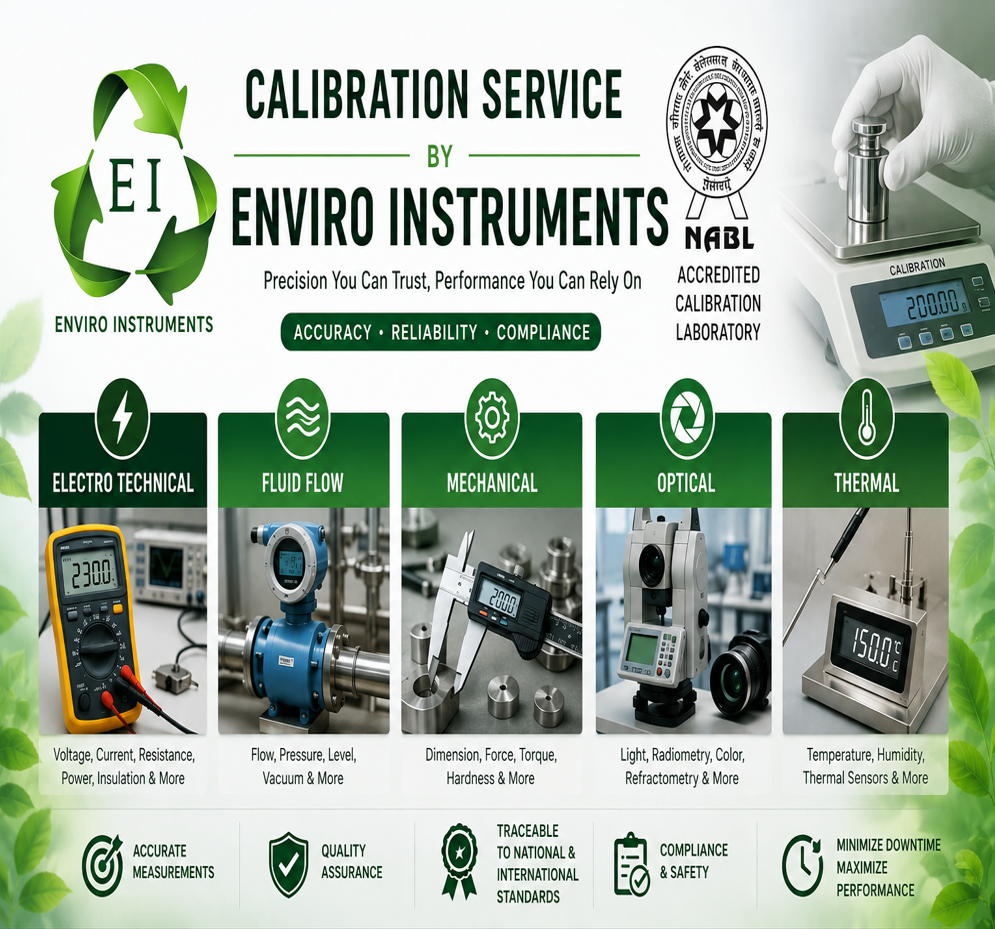
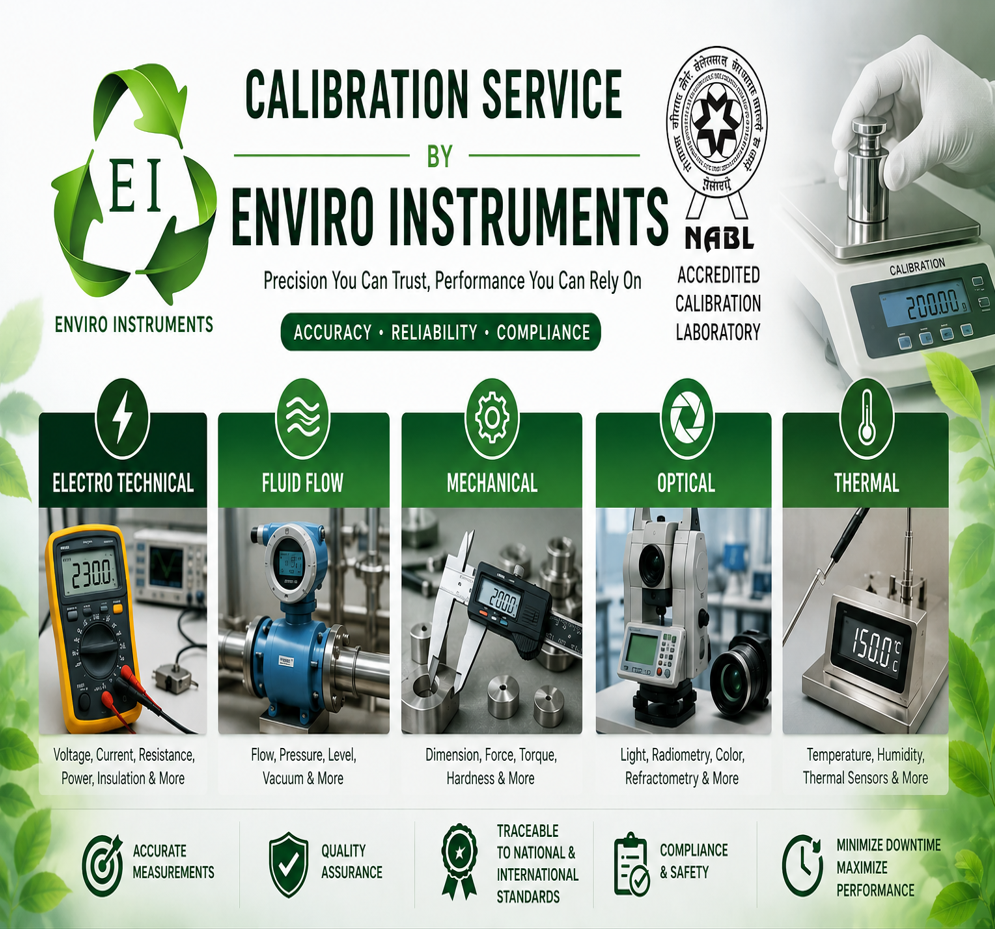
Temperature Indicator /Incubator, BOD,COD,Dry Block Furnace, Freezer calibration NABL
2500.0 INR/Unit
Product Details:
- Number of Specimens Multiple (Model Dependent)
- Temperature -25C to +150C (Model Dependent)
- Port Size Standard
- Test Range Wide - As per application
- Max Height Customizable (as per model)
- Power Supply 230V AC, 50 Hz
- Response Time Instantaneous/rapid (varies per model)
- Click to View more
X
Temperature Indicator /Incubator, BOD,COD,Dry Block Furnace, Freezer calibration NABL Price And Quantity
- 2500.0 INR/Unit
- 1 Unit
Temperature Indicator /Incubator, BOD,COD,Dry Block Furnace, Freezer calibration NABL Product Specifications
- NABL Calibration certified, precise temperature control, data logging (Model Dependent), audible/visible alarms
- Laboratory, Industrial, Calibration
- Automatic / Semi Automatic (Model Dependent)
- Digital/Electronic
- Bench-top / Floor standing, as per model
- Varies by unit
- -25C to +150C
- USB / RS232 / Ethernet (Model Dependent)
- 230V AC 10%, 50Hz
- Calibration, Incubation, Laboratory Testing, Environmental Monitoring
- 50 Hz
- Up to 95% RH
- Standard
- -25C to +150C (Model Dependent)
- Multiple (Model Dependent)
- Varies as per model
- 0.1C or better (Model Specific)
- 0.1C
- Digital LED/LCD Display
- Varied, as per user requirement
- Temperature Indicator / Incubator / BOD / COD / Dry Block Furnace / Freezer
- Instantaneous/rapid (varies per model)
- Wide - As per application
- Customizable (as per model)
- 230V AC, 50 Hz
- 0.1C
- Calibration certificate, user manual, sample holders (as applicable)
- Stainless Steel, powder-coated outer body
- Digital, programmable
- Over-temperature, Overload, Circuit-breaker, Door interlock (for applicable models)
- Available PAN India
- 0.5C
- NABL (ISO/IEC 17025:2017 Accredited)
- Inbuilt memory/data logging for up to 1000 records
- Freezer, Incubator, BOD, COD, Dry Block
- 10C to 40C
- PT-100 / Thermistor, model dependent
Product Description
NABL Calibration of Temperature Indicator / Controller with Sensor of Incubator, BOD, COD (For Non Medial Application Only), Dry Block Furnace, Freezer (Single Position), Range: (-) 25 C to 600 CPrecision Calibration with NABL Accreditation
Each unit is meticulously calibrated and certified according to NABL (ISO/IEC 17025:2017) standards, ensuring exceptional accuracy and traceability essential for industrial and laboratory environments. These systems guarantee reliable measurement and compliance with regulatory requirements.
Advanced Temperature Control & Safety
Featuring digital programmable settings, rapid response times, and built-in protections like over-temperature, overload, circuit-breaker, and door interlock mechanisms, these devices prioritize safety along with performance. Temperature uniformity of 0.5C ensures consistent results across a diversity of applications.
Comprehensive Connectivity & Data Management
Collect, store, and manage calibration data effortlessly with integrated data logging capabilities (up to 1000 records) and standard USB, RS232, or Ethernet interfaces (as per model). This supports streamlined reporting, traceability, and analytics for process quality assurance.
FAQ's of Temperature Indicator /Incubator, BOD,COD,Dry Block Furnace, Freezer calibration NABL:
Q: How do I calibrate the incubator, BOD, COD, dry block furnace, or freezer using this equipment?
A: Simply set the desired calibration parameters using the programmable digital interface. Place your specimen or reference standard in the chamber, initiate the calibration cycle, and monitor real-time temperature via the LED/LCD display. The system logs calibration data automatically for future reference. Detailed steps are provided in the supplied user manual.Q: What certifications do these temperature calibration instruments have?
A: Each unit comes with a NABL (ISO/IEC 17025:2017) accredited calibration certificate, ensuring your equipment meets stringent national and international standards for accuracy and traceability.Q: When should calibration be performed, and how often is it recommended?
A: Calibration frequency depends on the equipment's usage intensity, industry regulations, and internal quality protocols. However, annual calibration or after any significant maintenance is recommended to ensure continued precision and compliance.Q: Where can I obtain after-sales support and service for these units?
A: Comprehensive service support is available PAN India. Contact the retailer, supplier, or authorized service centers listed in your user manual or on the official website for maintenance, troubleshooting, or technical assistance.Q: What are the primary benefits of using this NABL-calibrated system in my laboratory?
A: You gain enhanced accuracy, data integrity, regulatory compliance, and streamlined workflow. Built-in safety features, programmable controls, and traceable calibration records contribute to operational efficiency and reliable laboratory outcomes.Q: What safety protections are integrated into these systems?
A: The units include over-temperature, overload, circuit-breaker protection, and door interlock features (as applicable to the model) to prevent accidents, ensure safe usage, and safeguard your samples during operation.Q: How can calibration data be accessed and used for quality audits?
A: Calibration data is stored in the unit's inbuilt memory (up to 1000 records) and can be retrieved via USB, RS232, or Ethernet interfaces. This facilitates quick data transfer, reporting, and compliance during internal or external quality audits.Tell us about your requirement

Price:
Quantity
Select Unit
- 50
- 100
- 200
- 250
- 500
- 1000+
Additional detail
Mobile number
Email

Other Products in 'Thermal' category

Enviro Instruments
Greater Noida, Uttar Pradesh, India
Contact Details

- Plot No. A-04, Sigma-4, Gautam Budh Nagar, Greater Noida - 201310, Uttar Pradesh, India
- Phone :07313727186

- Mr Ashish Kumar Verma (CEO)
- Mobile :07313727186

 Send Inquiry
 Send SMS
ENVIRO INSTRUMENTS
All Rights Reserved.(Terms of Use)
Developed and Managed by Infocom Network Private Limited.
Developed and Managed by Infocom Network Private Limited.

